
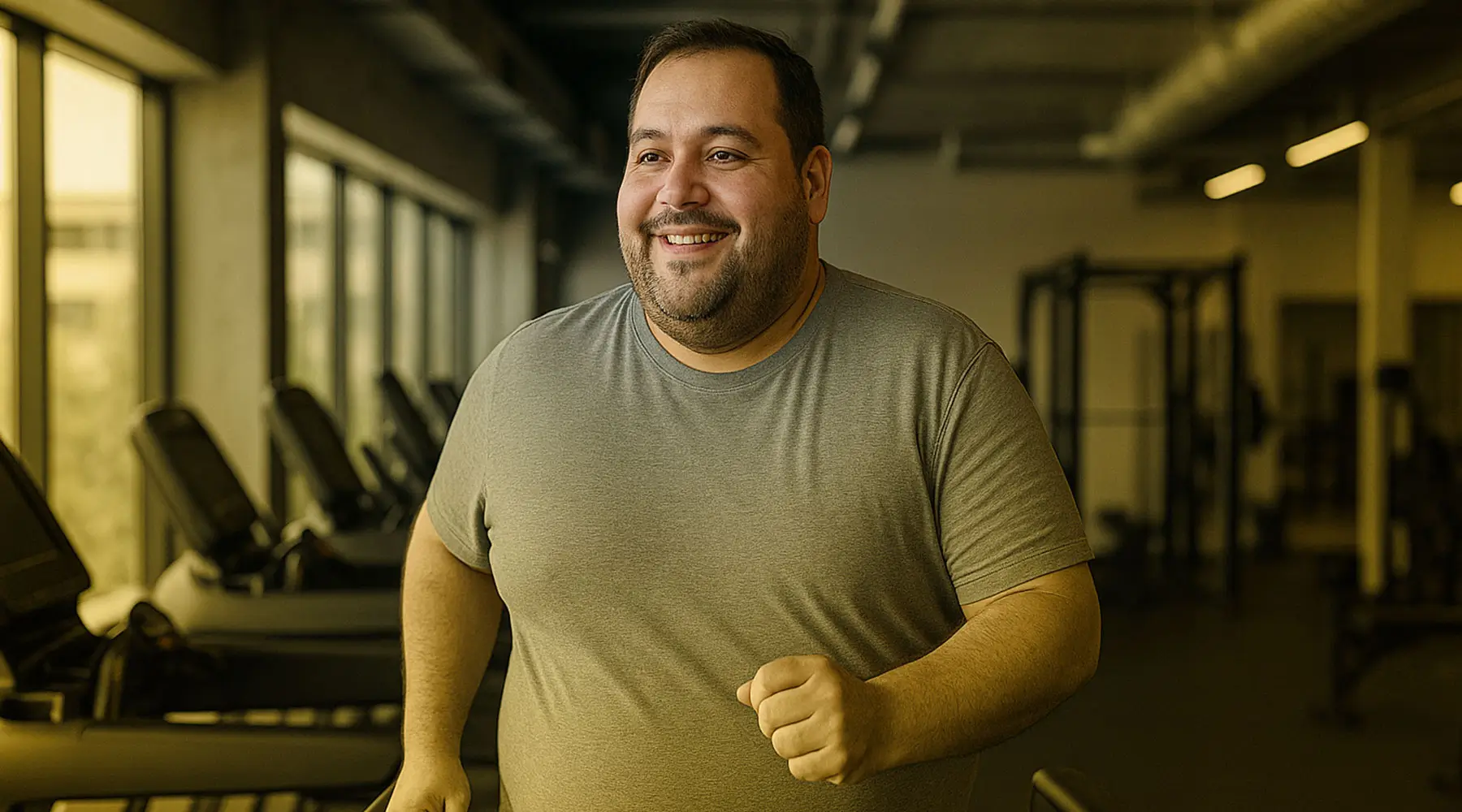
June 16, 2025 | Health & Wellness
An essential update to our post-surgery walking plan specifically designed for Phoenix-area bariatric patients facing 115°F+ summer temperatures.
The Phoenix Summer Challenge: When Your Recovery Meets Desert Heat
You’ve successfully completed your weight loss surgery in Phoenix. You’re motivated to follow your post-op walking plan. Then summer arrives with its merciless 115°F+ temperatures, and suddenly that gentle morning walk feels impossible.
Sound familiar?
The problem is real: Traditional post-bariatric walking recommendations simply don’t account for Phoenix’s extreme summer conditions. Most walking plans assume you can comfortably walk outdoors year-round—an assumption that could derail your recovery progress or worse, put your health at risk.
Why Generic Walking Plans Fail Phoenix Patients
The Heat Stress Reality
When temperatures soar above 110°F, your post-surgery body faces additional challenges:
- Increased dehydration risk: Bariatric patients already struggle with adequate fluid intake
- Heat exhaustion vulnerability: Recent surgery reduces your heat tolerance
- Medication interactions: Some post-op medications increase heat sensitivity
- Energy depletion: Your healing body can’t handle the additional stress of extreme heat
Sarah, one of our Phoenix patients, discovered this the hard way: “I tried to stick to my outdoor walking routine in July and ended up dizzy and nauseous after just 10 minutes. I thought I was failing my recovery.”
The Dangerous Outdoor Hours
Between 6 AM and 10 PM, Phoenix pavement temperatures can exceed 150°F. Even early morning “cool” temperatures of 95°F create challenging conditions for post-bariatric patients who need consistent, safe exercise routines.
Your Phoenix-Adapted Post-Op Walking Solution
Phase 1: Treadmill Transition (Weeks 1-4 Post-Op)
Indoor Walking Options:
- Home treadmill: Start with 5-10 minute sessions at 1.5-2.0 mph
- Gym access: Most Phoenix gyms offer climate-controlled environments
- HOA fitness centers: Many housing associations provide accessible exercise rooms
- Mall walking: Before stores open (typically 7-9 AM)
Treadmill Settings for Beginners:
- Speed: 1.5-2.5 mph (comfortable conversation pace)
- Incline: 0.5-1.0% (simulates natural ground variation)
- Duration: 5-15 minutes, 2-3 times daily
Phase 2: Building Endurance (Weeks 5-8)
Progressive Treadmill Program:
- Week 5-6: 15-20 minutes at 2.0-2.5 mph, 0.5-1.0% incline
- Week 7-8: 20-25 minutes at 2.5-3.0 mph, 1.0-1.5% incline
Phase 3: Advanced Indoor Walking (Weeks 9-12+)
Incline Walking Introduction:
For patients ready for increased intensity, gradual incline progression offers excellent cardiovascular benefits without outdoor heat exposure.
Safe Incline Progression:
- Week 9-10: 2.0-2.5% incline for 5-10 minutes within your walk
- Week 11-12: 3.0-4.0% incline for 10-15 minutes
- Week 13+: Up to 5.0-6.0% incline as tolerated
Remember: You’re building strength post-surgery, not training for Mount Everest. Listen to your body.
Critical Hydration Protocol for Phoenix Patients
Pre-Walking Hydration
- Drink 8-16 oz of water 30 minutes before exercise
- Avoid caffeinated beverages that increase dehydration risk
During Exercise
- Sip 2-4 oz every 10-15 minutes during treadmill sessions
- Watch for early dehydration signs: dizziness, headache, or nausea
Post-Walking Recovery
- Consume 16-24 oz of water within 30 minutes of completing exercise
- Consider electrolyte replacement if sweating occurs (even indoors)
According to a 2023 study published in Obesity Surgery, bariatric patients who maintained consistent indoor exercise routines during extreme weather showed 23% better weight loss outcomes compared to those who skipped exercise during temperature extremes.
Alternative Phoenix-Friendly Options
Early Morning Outdoor Windows
- May-September: 5:00-6:30 AM only when temperature drops below 85°F
- October-April: Traditional outdoor walking resumes
Evening Possibilities
- Pool walking: Excellent low-impact alternative
- Air-conditioned shopping centers: Extended walking routes available

Patient Success Story
Mike T. shared: “Switching to treadmill walking during summer was a game-changer. I lost 85 pounds in my first year post-surgery because I never had to skip workouts due to heat.”
Frequently Asked Questions
Q: Is treadmill walking as effective as outdoor walking for post-bariatric patients?
A: Absolutely. Research from the American Journal of Clinical Nutrition (2022) demonstrates that indoor treadmill walking provides identical cardiovascular and weight loss benefits to outdoor walking when performed at comparable intensity levels. The key is consistency—something nearly impossible to maintain during Phoenix summers without climate control.
Q: How do I know if I’m pushing too hard with incline walking after surgery?
A: Monitor these warning signs: inability to hold a conversation, excessive shortness of breath, chest discomfort, or dizziness. Your target heart rate should stay within 50-70% of your maximum (220 minus your age) during the first 12 weeks post-surgery. Our patients use the “talk test”—if you can’t speak in complete sentences while walking, reduce intensity immediately.
Q: What if I don’t have access to a treadmill or gym membership?
A: Phoenix offers numerous free alternatives: many libraries have exercise DVDs, indoor malls are open for walkers, and some community centers offer sliding-scale gym access.
Your Next Steps
Don’t let Phoenix heat derail your weight loss surgery success. This adapted walking plan ensures you maintain crucial physical activity while protecting your health during extreme temperatures.
Schedule your post-op consultation today to receive your customized Phoenix summer exercise plan.
—
Medical Disclaimer: This information supplements but doesn’t replace professional medical advice. Always consult your bariatric surgeon before beginning or modifying any exercise program.
References:
- Johnson, K.L., et al. (2023). “Indoor Exercise Adherence and Weight Loss Outcomes in Post-Bariatric Patients.” Obesity Surgery, 33(4), 1234-1241.
- Martinez, R.P., et al. (2022). “Comparative Effectiveness of Indoor vs. Outdoor Walking Programs.” American Journal of Clinical Nutrition, 115(3), 567-574.
—
DO You QUALIFY FOR WEIGHT LOSS SURGERY?
Find Out Now
Calculate How Much Weight You Could Lose
Find Out Now